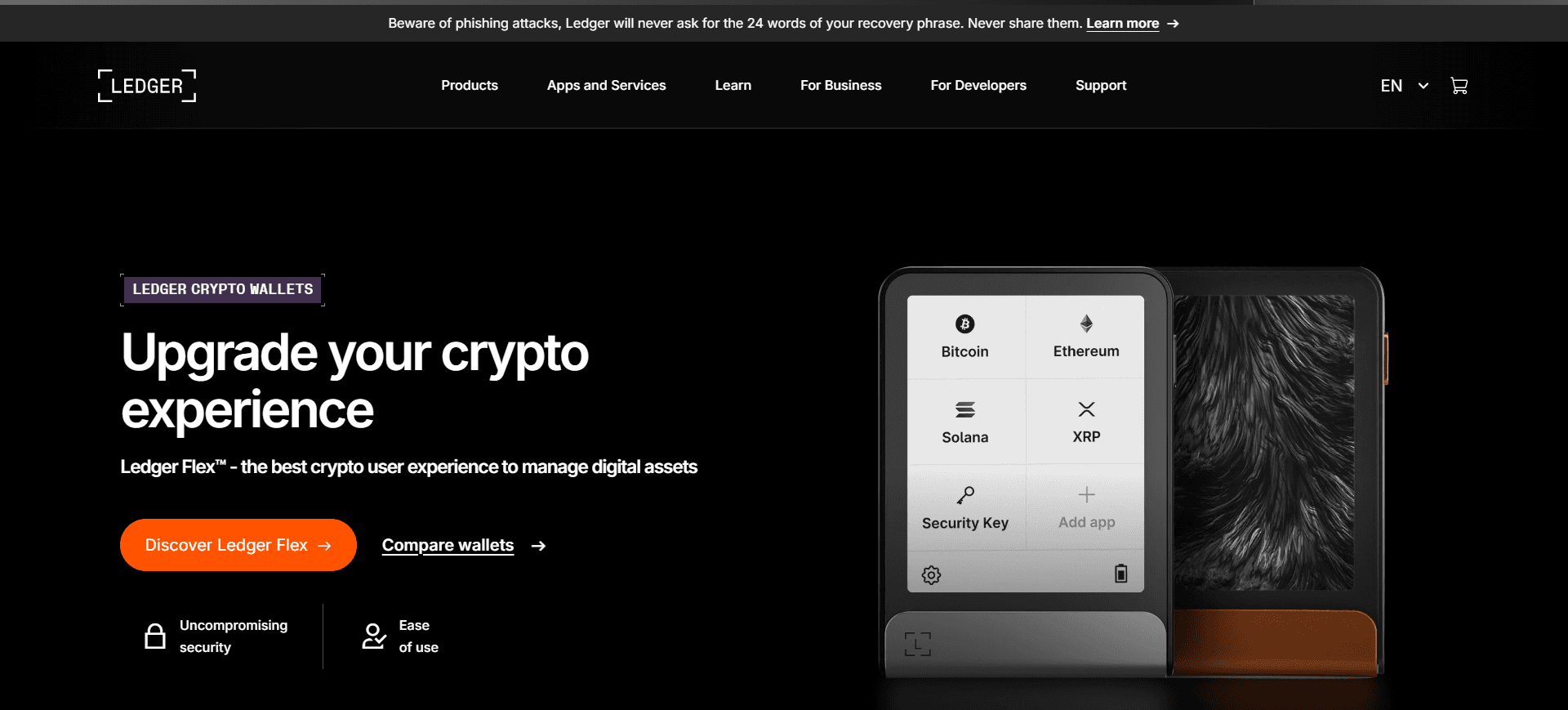
Ledger Live is the official companion application developed by Ledger, a well-known company in the cryptocurrency hardware wallet industry. The application is designed to help users securely manage their digital assets while maintaining full control over their private keys. Ledger Live acts as a bridge between Ledger hardware wallets and blockchain networks, allowing users to view balances, send and receive crypto assets, manage multiple accounts, install apps on their devices, and interact with various blockchain services, all from a single interface. Its core philosophy centers on security, usability, and self-custody.
At its foundation, Ledger Live is built to work alongside Ledger hardware wallets such as the Ledger Nano S Plus, Ledger Nano X, and earlier models. These hardware wallets store private keys in a secure element, meaning the keys never leave the device. Ledger Live does not store private keys itself; instead, it provides a user interface that communicates with the hardware wallet when a transaction or sensitive operation needs approval. This design significantly reduces the risk of hacks, malware, and phishing attacks compared to software-only wallets.
One of the first interactions users have with Ledger Live is during device setup. When a Ledger device is connected to a computer or mobile phone, Ledger Live guides the user through initialization, firmware checks, and security verification. During setup, users generate a recovery phrase, typically consisting of 24 words. This recovery phrase is critical, as it is the ultimate backup for the wallet. Ledger Live repeatedly emphasizes the importance of writing this phrase down offline and never sharing it with anyone. If a device is lost, damaged, or stolen, the recovery phrase allows users to restore their assets on a new Ledger device.
Ledger Live supports a wide range of cryptocurrencies and tokens. This includes major assets such as Bitcoin, Ethereum, Litecoin, and Ripple, as well as thousands of ERC-20 tokens and other blockchain-specific assets. The application allows users to create separate accounts for each supported asset. Each account corresponds to a unique address or set of addresses derived from the hardware wallet’s private keys. Users can label accounts for easy identification, which is especially helpful for those managing multiple portfolios or separating long-term holdings from active funds.
The interface of Ledger Live is designed to be approachable even for beginners. The dashboard provides an overview of the total portfolio value, recent transactions, and individual asset performance. Users can view historical price charts, track balance changes over time, and see how market movements affect their holdings. While Ledger Live is not intended to replace advanced trading platforms, its built-in portfolio tracking features give users a clear picture of their assets without needing third-party tools.
Sending and receiving cryptocurrency through Ledger Live is straightforward. To receive funds, users select an account, generate a receiving address, and verify the address on their Ledger device’s screen. This verification step is crucial, as it ensures the address has not been altered by malware on the computer or phone. To send funds, users enter the recipient’s address, specify the amount, and adjust network fees if applicable. Before the transaction is broadcast to the network, the Ledger device prompts the user to review and confirm the transaction details. This physical confirmation step adds a powerful layer of protection against unauthorized transactions.
Ledger Live also includes features for managing network fees and transaction settings. Depending on the blockchain, users may be able to choose between different fee levels, such as slow, standard, or fast. This flexibility allows users to balance cost and speed according to their needs. For advanced users, some networks offer custom fee settings, enabling more precise control over transaction costs. Ledger Live presents these options in a way that is understandable, even for those who are not deeply familiar with blockchain mechanics.
Another important aspect of Ledger Live is its app management system. Ledger hardware wallets have limited storage space, so users need to install and uninstall individual blockchain apps depending on which assets they want to manage. Ledger Live handles this process by providing an app catalog. Users can browse supported apps, install them on their device, and remove them when they are no longer needed. Importantly, uninstalling an app does not delete the associated funds, as the private keys remain securely stored on the device. This design allows users to manage many assets even with limited device storage.
Ledger Live has expanded beyond basic wallet functionality to include features such as staking and earning rewards. For supported assets, users can stake their holdings directly through Ledger Live while retaining control of their private keys. Staking allows users to participate in network validation or delegation processes and earn rewards over time. Ledger Live provides an interface to choose validators, delegate tokens, and monitor staking performance. This makes it easier for users to participate in proof-of-stake ecosystems without relying on centralized exchanges.
In addition to staking, Ledger Live offers access to certain decentralized finance services and token swaps, often through integrated third-party providers. These services allow users to exchange one cryptocurrency for another without leaving the Ledger Live environment. While Ledger Live itself does not act as an exchange, it aggregates services from external partners and presents them within the app. Users still need to confirm transactions on their hardware wallet, ensuring that security is not compromised. However, users should always be mindful of fees and risks associated with third-party services.
Security is a central theme throughout Ledger Live. The application includes built-in checks to verify that the connected Ledger device is genuine. This helps protect users from counterfeit devices that could compromise funds. Ledger Live also encourages users to keep their device firmware and application software up to date. Firmware updates often include security patches, performance improvements, and support for new assets. The update process is designed to be safe and guided, requiring user confirmation on the device itself.
Ledger Live is available on multiple platforms, including desktop operating systems such as Windows, macOS, and Linux, as well as mobile platforms like iOS and Android. The mobile version is especially useful for users who want to manage their assets on the go. When paired with a Bluetooth-enabled Ledger device, such as the Ledger Nano X, users can send and receive crypto directly from their smartphones. Despite the convenience, the same security principles apply, as all sensitive actions still require confirmation on the hardware wallet.
Privacy is another important consideration in Ledger Live’s design. The application does not require users to create an account or provide personal information to manage their assets. Portfolio data is typically stored locally on the user’s device rather than on centralized servers. While certain features, such as price data and third-party services, require internet connectivity, Ledger Live aims to minimize data collection and exposure. Users who value privacy can use Ledger Live without linking their identity to their wallet addresses.
Ledger Live also includes educational elements to help users better understand cryptocurrency and wallet security. Throughout the application, users can find explanations, tips, and warnings related to common risks. For example, Ledger Live regularly reminds users to beware of phishing attempts and fake websites that impersonate Ledger. It emphasizes that Ledger will never ask for a recovery phrase. These educational prompts play an important role in helping users avoid costly mistakes, especially those new to self-custody.
Over time, Ledger Live has evolved in response to user feedback and changes in the crypto ecosystem. New assets are added regularly, and existing features are refined to improve usability. The application’s modular design allows Ledger to integrate new blockchain technologies and services as they emerge. This adaptability is important in an industry that evolves rapidly, with new protocols, tokens, and standards appearing frequently.
Despite its many strengths, Ledger Live is not without limitations. Some advanced users may find its features less comprehensive than specialized wallets or dedicated DeFi platforms. Certain assets or blockchain functions may require external wallets or tools to access advanced capabilities. Additionally, reliance on third-party service providers for swaps or staking can introduce additional fees and risks. Ledger Live generally provides clear disclosures, but users are responsible for understanding the implications of using these services.
Ledger Live’s role in the broader crypto ecosystem is significant because it promotes the concept of self-custody. By making hardware wallets easier to use, it lowers the barrier for individuals to take control of their own assets rather than relying on centralized exchanges. This aligns with the original ethos of cryptocurrency, which emphasizes decentralization, transparency, and user sovereignty. Ledger Live helps bridge the gap between strong security practices and everyday usability.
For long-term investors, Ledger Live offers a reliable way to store and monitor assets securely. For active users, it provides essential transaction and management tools without sacrificing safety. The combination of a hardware wallet and Ledger Live creates a layered security model that protects against many common threats, including malware, keyloggers, and unauthorized access. As long as users follow best practices, such as safeguarding their recovery phrase and verifying transaction details, Ledger Live can be a powerful tool for managing digital wealth.
In conclusion, Ledger Live is more than just a wallet interface; it is a comprehensive management platform for Ledger hardware wallets. It brings together asset management, security, staking, app installation, and educational resources in a single application. By keeping private keys offline and requiring physical confirmation for transactions, it offers a high level of protection while remaining accessible to users with varying levels of experience. As the cryptocurrency landscape continues to grow and change, Ledger Live remains a central component of Ledger’s mission to make crypto ownership secure and user-friendly for people around the world.