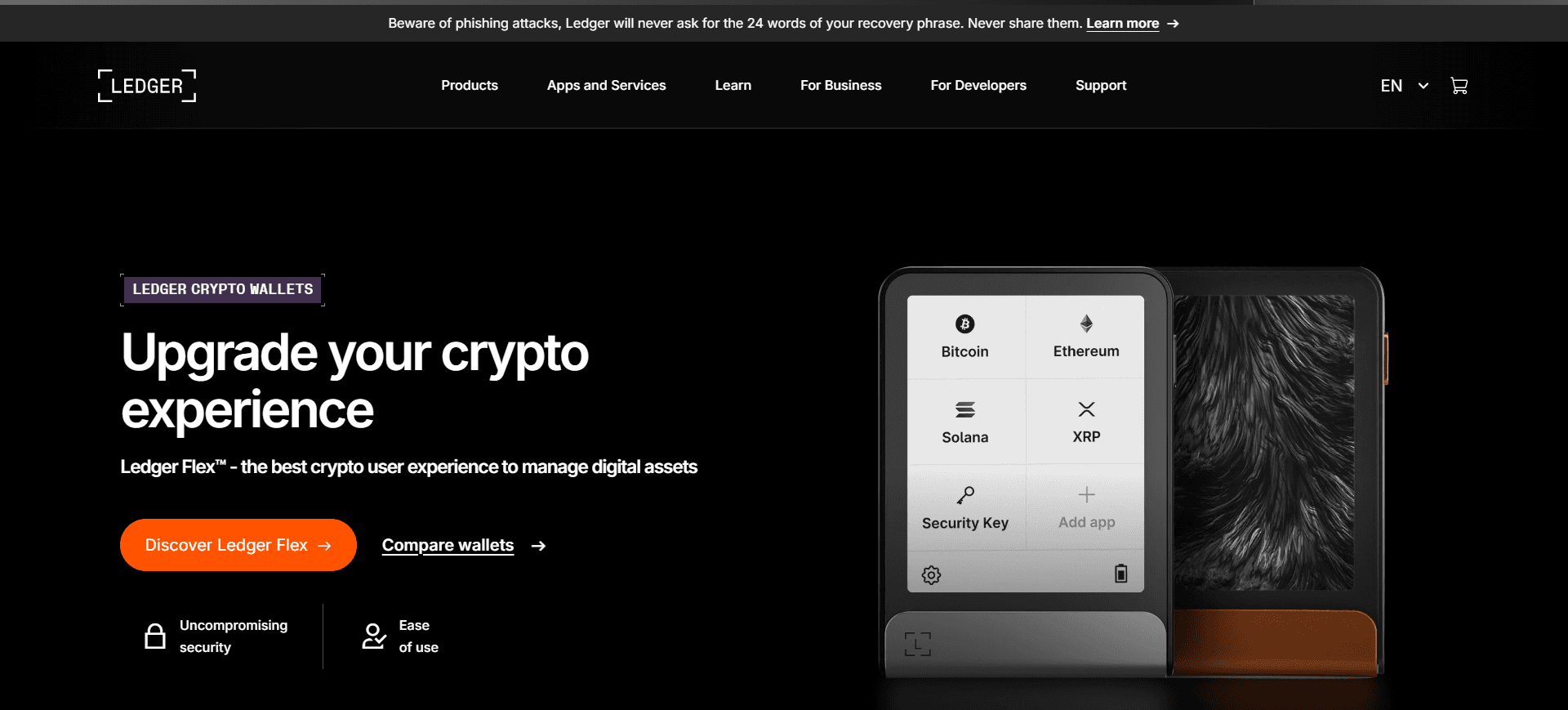
Ledger Live is a digital asset management application created by Ledger to work in combination with Ledger hardware wallets. Its main purpose is to allow users to manage cryptocurrencies safely while keeping private keys protected offline. In a digital environment where security risks are common, Ledger Live provides a practical solution for users who want control, transparency, and independence over their crypto holdings.
At a basic level, Ledger Live acts as a control center for Ledger hardware wallets. Hardware wallets are physical devices designed to store private keys securely, away from internet-connected systems. Ledger Live does not replace the hardware wallet but complements it. The application allows users to interact with blockchain networks, while the hardware wallet ensures that sensitive operations are securely authorized. This division of responsibility is what makes Ledger Live a trusted tool for crypto self-custody.
One of the first things users experience with Ledger Live is the setup process. After installing the application on a computer or smartphone, users connect their Ledger device and follow guided instructions. These instructions help users either create a new wallet or restore an existing one using a recovery phrase. The recovery phrase, usually made up of 24 words, is the most important element of wallet security. Ledger Live repeatedly warns users that losing this phrase means losing access to funds, and sharing it exposes assets to theft. The app strongly encourages offline storage of the recovery phrase and discourages digital copies.
After setup, Ledger Live allows users to add cryptocurrency accounts. Each account represents a specific blockchain and address generated from the private keys inside the hardware wallet. Users can create multiple accounts for the same cryptocurrency, which can be helpful for organizing funds, managing separate strategies, or tracking different purposes. Ledger Live gives users the flexibility to name accounts, improving clarity when managing complex portfolios.
The application’s main interface focuses on simplicity and visibility. The portfolio overview displays the combined value of all assets, along with individual balances and recent transaction activity. Users can quickly see which assets they hold and how their portfolio changes over time. Price charts and performance indicators are included to provide basic market context. While Ledger Live does not aim to replace professional trading platforms, it offers enough information for users to monitor their investments comfortably.
Ledger Live makes sending and receiving cryptocurrency straightforward while maintaining high security standards. To receive funds, users select an account and generate a wallet address. Before using the address, Ledger Live requires verification on the hardware wallet screen. This step protects users from address manipulation caused by malware. Only after the address matches on both the device and the application should it be shared.
When sending cryptocurrency, users input the recipient address, specify the amount, and select transaction fees. Ledger Live often offers suggested fee levels based on network congestion, allowing users to choose between lower costs or faster confirmation times. Before a transaction is submitted to the blockchain, all details must be reviewed and approved on the Ledger hardware wallet. This physical confirmation ensures that no transaction can occur without the user’s consent.
Another core function of Ledger Live is managing applications on the hardware wallet. Each blockchain supported by Ledger requires a specific app installed on the device. Because hardware wallets have limited storage, users may need to manage installed apps depending on their asset usage. Ledger Live provides an app manager where users can install, remove, or update blockchain apps easily. Removing an app does not affect funds, as the private keys remain safely stored and can be reused when the app is reinstalled.
Firmware updates are also handled through Ledger Live. These updates are essential for maintaining device security and ensuring compatibility with new blockchain features. Ledger Live informs users when updates are available and provides step-by-step instructions. During the update process, user confirmation on the hardware wallet is required, preventing unauthorized changes. Keeping firmware up to date is a recommended practice for long-term wallet security.
Ledger Live has evolved beyond simple asset storage to include additional features that enhance usability. One such feature is staking. For supported cryptocurrencies, Ledger Live allows users to stake their tokens directly from their hardware wallet. Staking enables participation in proof-of-stake networks and allows users to earn rewards over time. Ledger Live provides tools to delegate tokens, choose validators, and monitor rewards without transferring custody to third parties.
In addition to staking, Ledger Live integrates cryptocurrency swap functionality through external service providers. This allows users to exchange one cryptocurrency for another within the application. Ledger Live does not act as an exchange itself but connects users to third-party platforms that process swaps. All transactions still require approval on the hardware wallet. While this feature adds convenience, users should carefully review fees and exchange rates before completing swaps.
Ledger Live is available across multiple operating systems, including Windows, macOS, Linux, Android, and iOS. This cross-platform availability ensures accessibility for a wide range of users. Desktop versions are commonly used for setup and advanced management, while mobile versions provide flexibility for everyday use. When paired with Bluetooth-enabled Ledger devices, mobile users can manage assets on the move without sacrificing security.
Privacy is a key design consideration for Ledger Live. Users are not required to create accounts or submit personal data. Portfolio information is generally stored locally on the user’s device rather than centralized servers. While Ledger Live needs internet access to interact with blockchains and display market data, it aims to minimize unnecessary data exposure. This privacy-focused approach supports the broader goals of decentralization and financial independence.
Ledger Live also plays an important role in educating users about safe cryptocurrency practices. The application includes alerts and messages warning about phishing scams, fake applications, and fraudulent support requests. It consistently reminds users that Ledger will never ask for recovery phrases or private keys. These educational prompts help users avoid common mistakes and strengthen overall security awareness.
As blockchain technology continues to change, Ledger Live is regularly updated to support new assets and features. Ledger actively expands its list of supported cryptocurrencies and improves functionality based on user feedback. This ongoing development ensures that Ledger Live remains useful as the crypto ecosystem grows and evolves. Users benefit from increased compatibility and improved performance over time.
Despite its broad feature set, Ledger Live has certain limitations. Some advanced blockchain interactions, such as complex decentralized applications or custom smart contract functions, may require external wallets or browser extensions. Ledger Live focuses on providing a secure and user-friendly foundation rather than covering every possible blockchain use case. For most users, however, it offers a reliable and comprehensive solution for everyday crypto management.
Ledger Live’s significance extends beyond its features. It encourages users to embrace self-custody, a core principle of cryptocurrency. By reducing reliance on centralized exchanges, users lower their exposure to risks such as hacks, withdrawal limits, or account freezes. Ledger Live makes self-custody practical by combining strong security with an accessible interface.
For long-term holders, Ledger Live provides a stable environment for storing assets securely. For active users, it offers essential tools for transactions, portfolio tracking, and network participation. The combination of offline key storage, transaction verification, and ongoing updates creates a robust security model that adapts to modern threats.
In summary, Ledger Live is a comprehensive application designed to help users manage cryptocurrencies safely through Ledger hardware wallets. It enables users to store, send, receive, stake, and organize digital assets while keeping private keys offline. Through its focus on security, privacy, and usability, Ledger Live supports both new and experienced users in maintaining full control over their digital finances. As cryptocurrency adoption continues to expand, Ledger Live remains a valuable tool for secure and independent asset management.